Welcome to Homeland Institute of Innovation Technology, a hub of innovation dedicated to developing new-generation professional skills—the foundation for transforming the economies of developing countries.
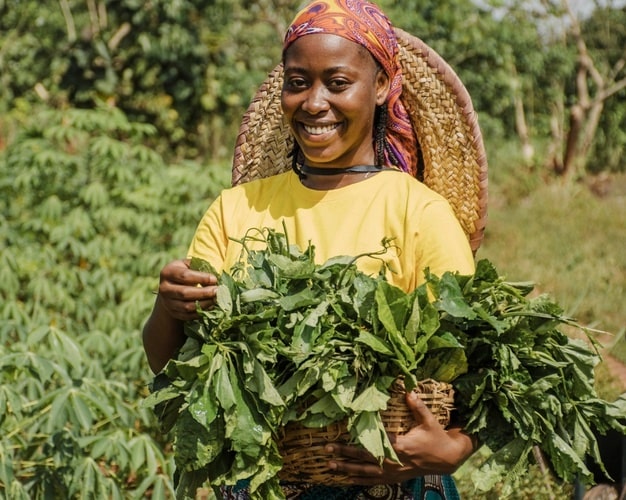
We adapt proven agricultural technologies from developed countries and make them accessible to local farmers to help improve productivity and increase yields.
We are leaders in agritech, providing training to both large- and small-scale farmers in quality agricultural production, value addition, and market access. We also connect farmers to local and international markets for processed and value-added agricultural products.
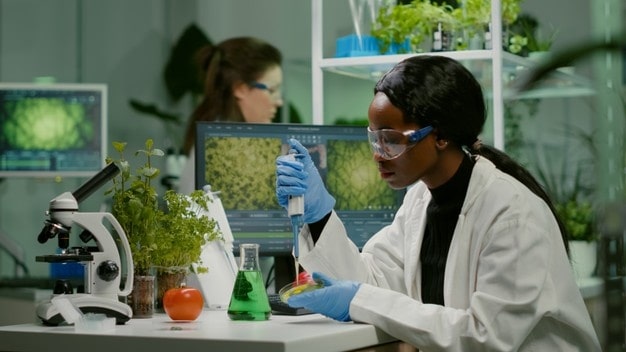
Our objective is to promote fair trade between farmers and consumers while reducing dependence on volatile raw-material markets that have caused many farmers to remain trapped in poverty.
Hunger is both a cause and a consequence of poverty. As long as people lack sufficient food, their ability to take advantage of development opportunities will remain limited. To break the cycle of poverty, food security must be a top priority, with agriculture remaining a cornerstone of our economy.

CEO and Founder
QC Officer
ICT Manager
Field Resource Director
Director of Animal Husbandry and Livestock
Director of Agricultural Production and Food Security
Director of Land Mapping and Landscaping
Director of Utility Engineering and Energy
Director of Training and Capacity Building
We are an educational outreach institution in Kenya committed to empowering communities through programmes, training, and consultancy in agriculture, waste management and the circular economy, sustainable access to clean water, and environmental conservation.
Our objective is to promote fair trade between farmers and consumers while reducing dependence on volatile raw-material markets that have caused many farmers to remain trapped in poverty.
To provide effective training in agriculture and related disciplines to meet the labour demands of the sector.
To promote the development of sustainable domestic and international markets for agricultural commodities, enhancing market access and increasing farmers' revenue.
To promote and strengthen the efficient and effective management of agricultural production and productivity, ensuring sustainable household and national food and nutrition security while increasing incomes.